Nature
Guided olive grove visit
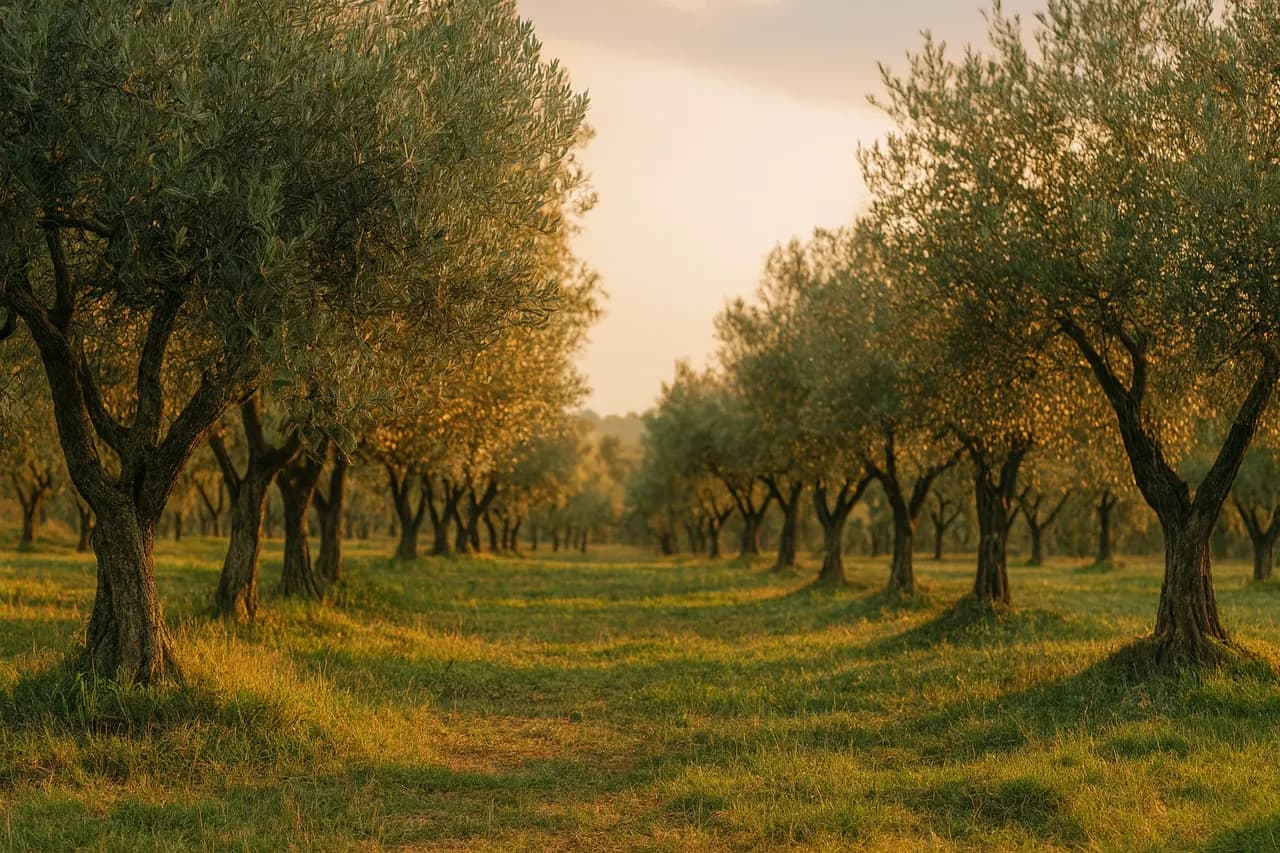
Explore olive-growing landscapes, biodiversity and knowledge associated with cultivating olive trees.
60 min·≈ 12 €Simulation
Explore different olive tourism possibilities and discover how your choices influence sustainability.
One territory, multiple possibilities. An invitation to explore and understand the different dimensions of sustainability through an interactive approach that values heritage, communities and the environment.
Start by choosing what you are looking for.
Exercise values, not commercial offers. Times, costs and capacities are simulated estimates.
Activities, people and knowledge of the territory.
Explore olive-growing landscapes, biodiversity and knowledge associated with cultivating olive trees.
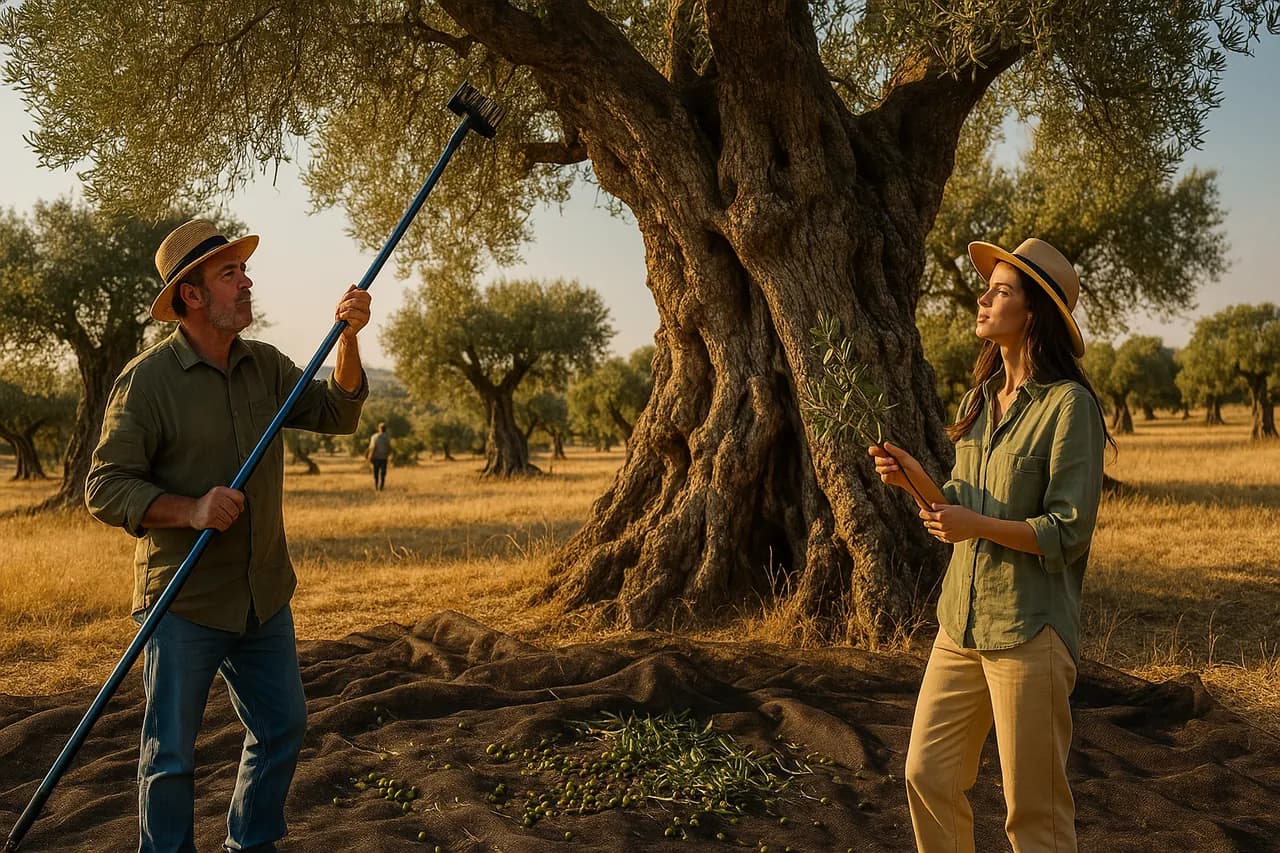
Experience olive harvesting as a moment of tradition, community and sharing in the grove.
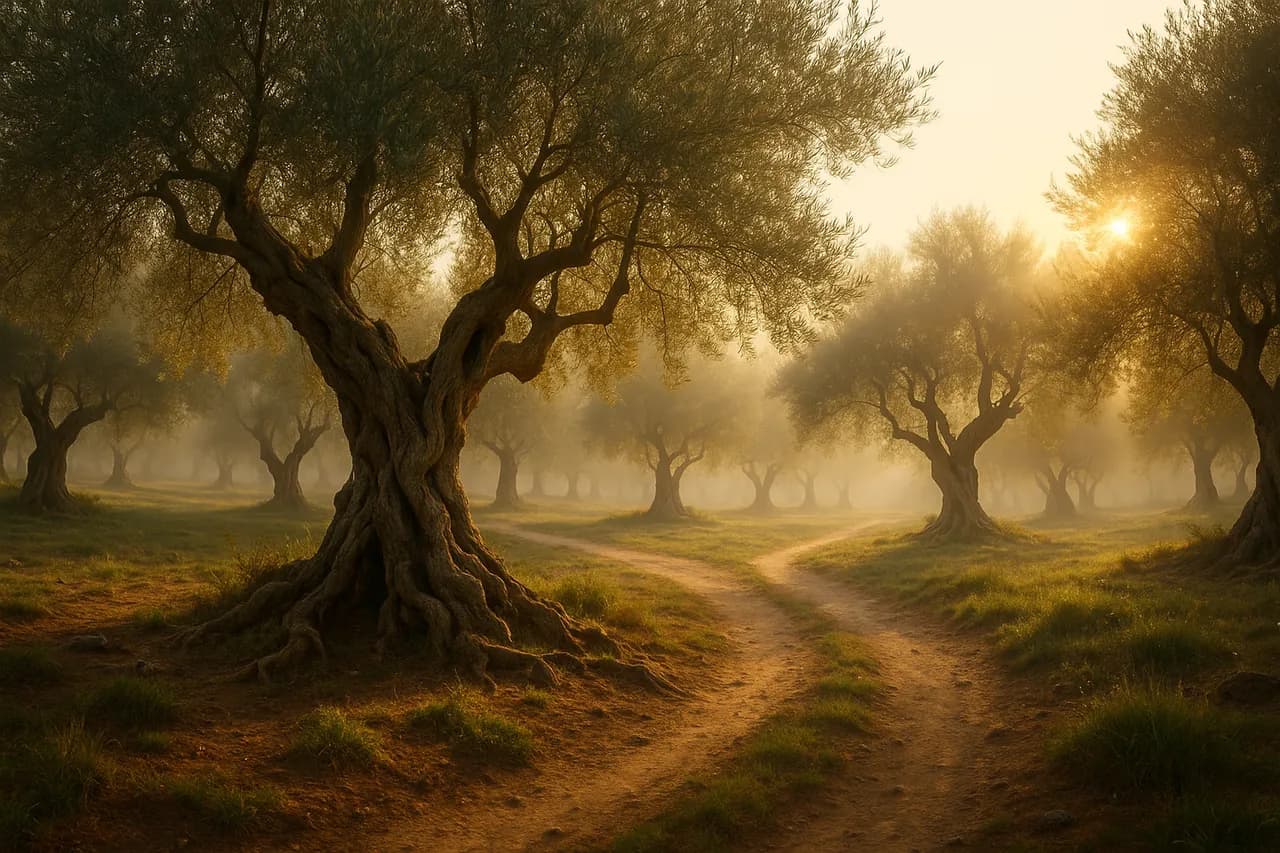
Follow paths and landscapes, discovering knowledge and traditions linked to olive trees and olive oil.
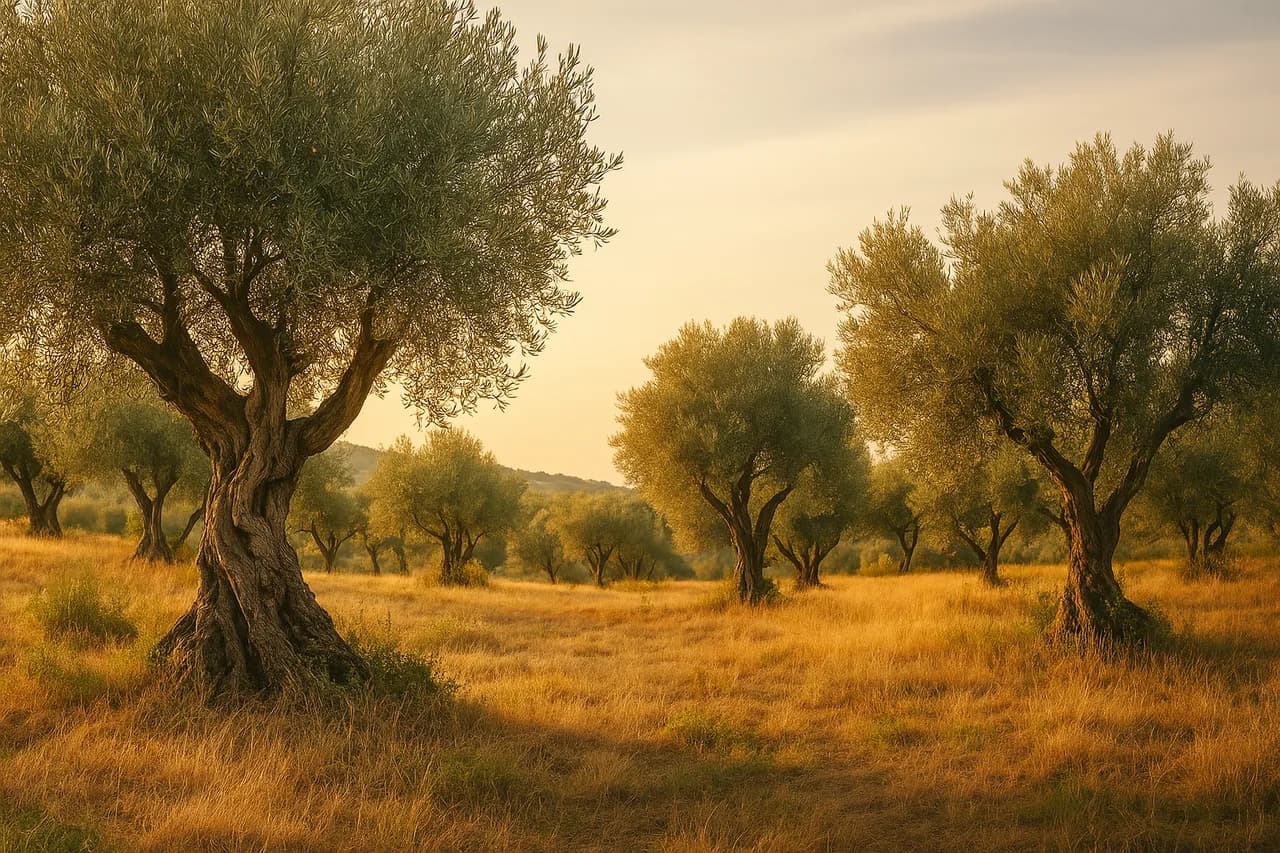
Take part in guided planting, learning how to establish and care for an olive tree in the landscape.
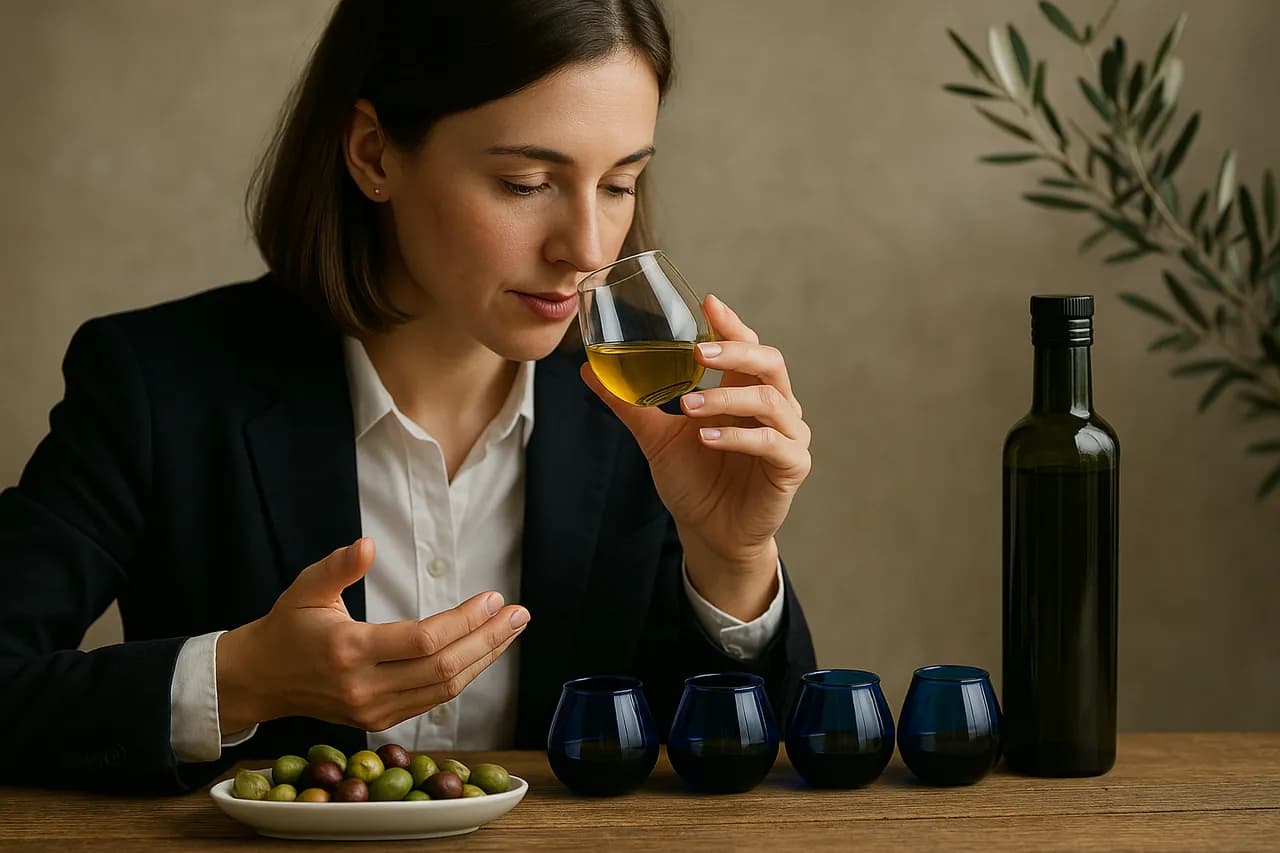
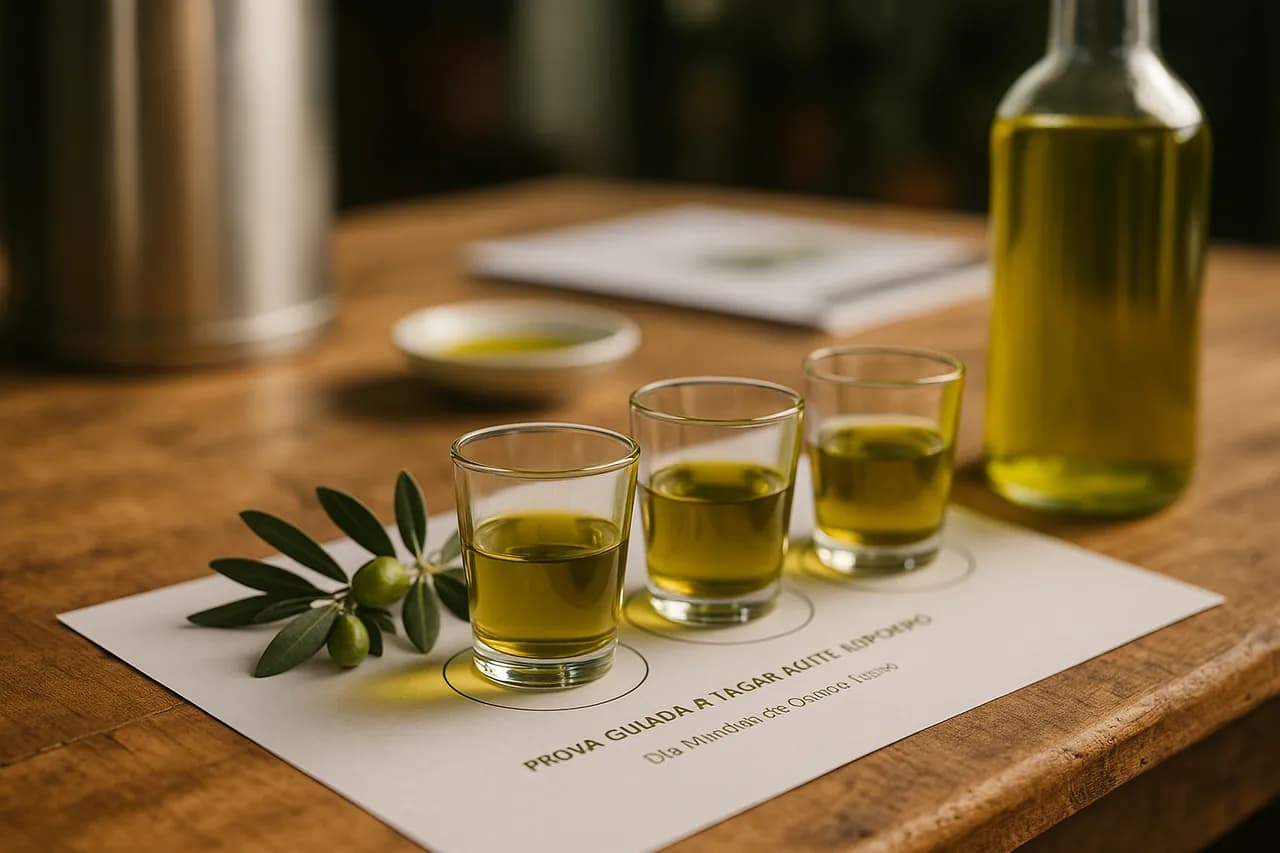
Explore aromas, flavours and textures while discovering different olive oils through the senses.
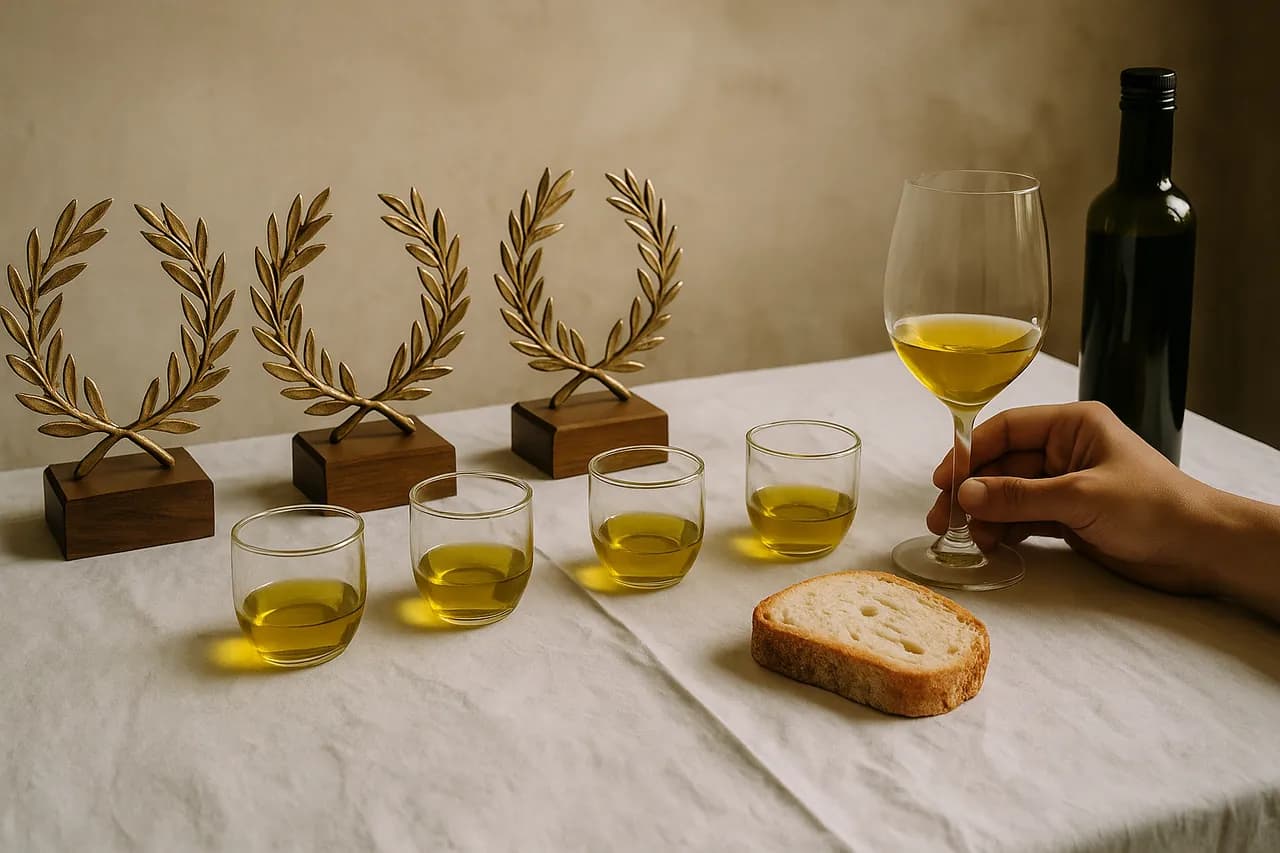
Enjoy regional cuisine and discover olive oil as a central ingredient in culinary traditions.
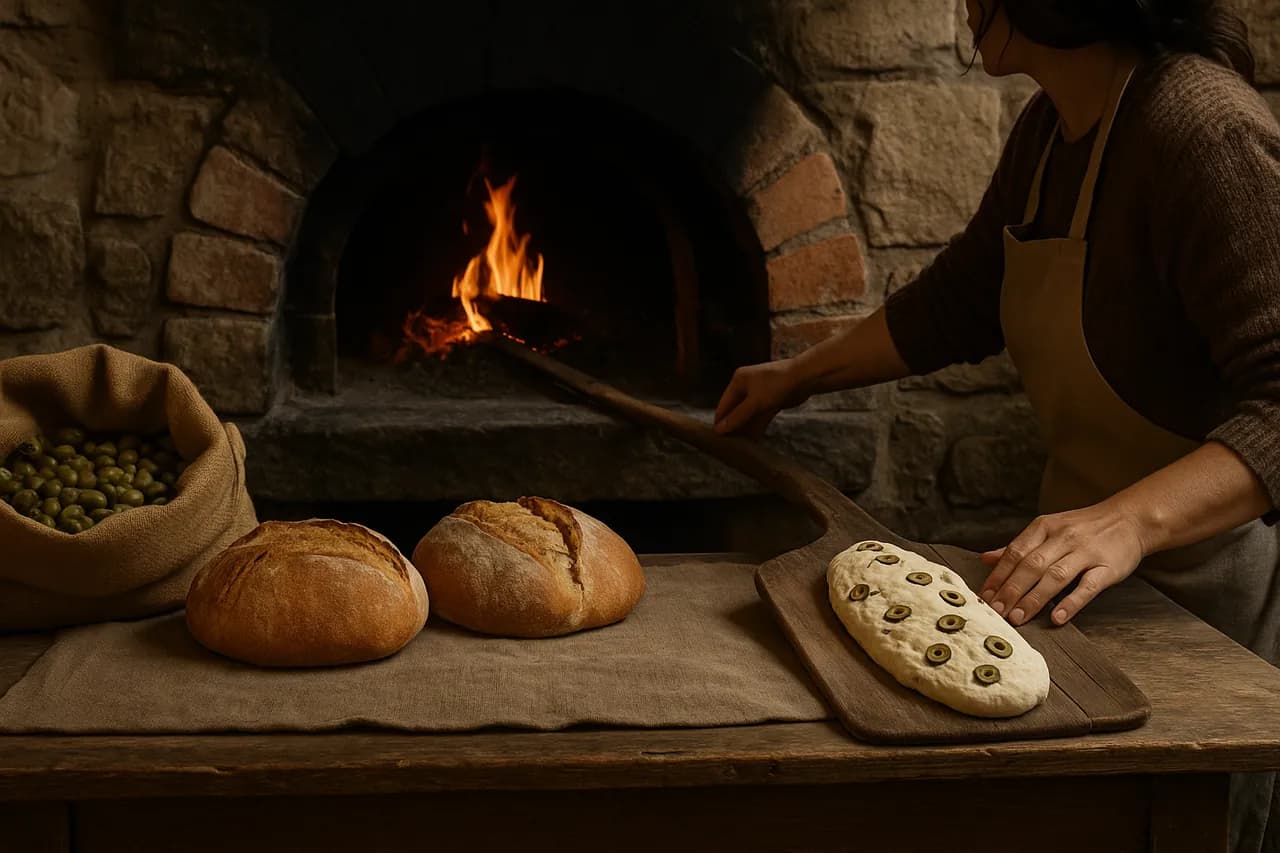
Try recipes and cooking techniques that highlight olive oil and local produce.
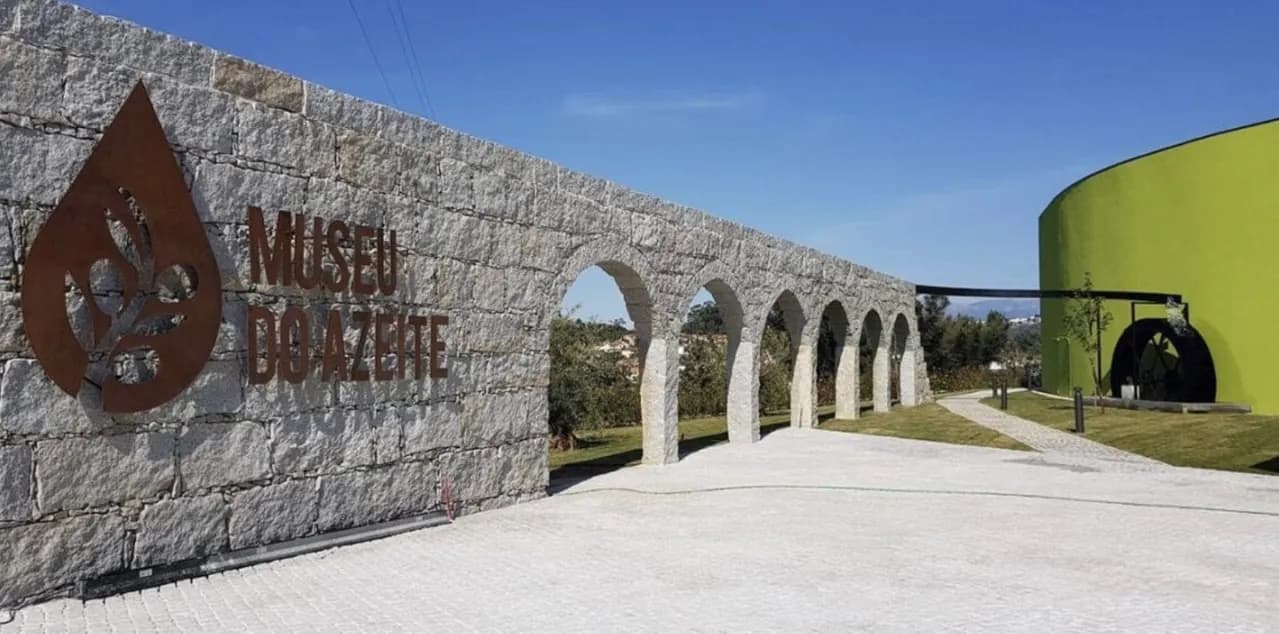
Discover the history, heritage and cultural expressions associated with olive trees and olive oil.
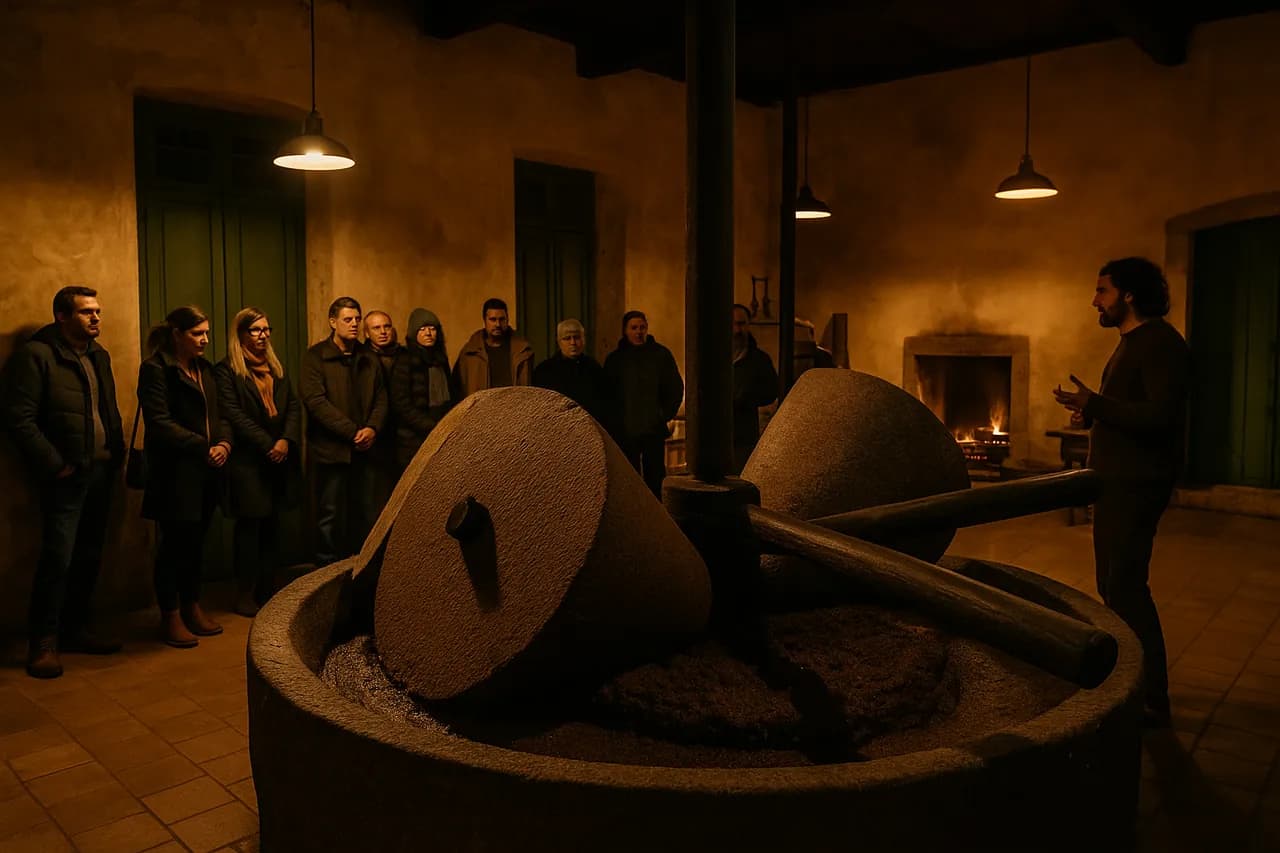
Learn how olives become olive oil, between tradition and innovation.
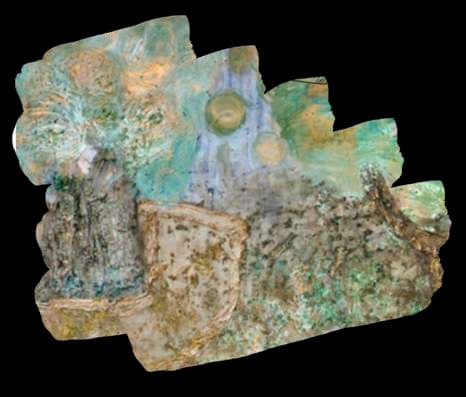
Explore olive trees and olive oil through literature, creativity and artistic expression.
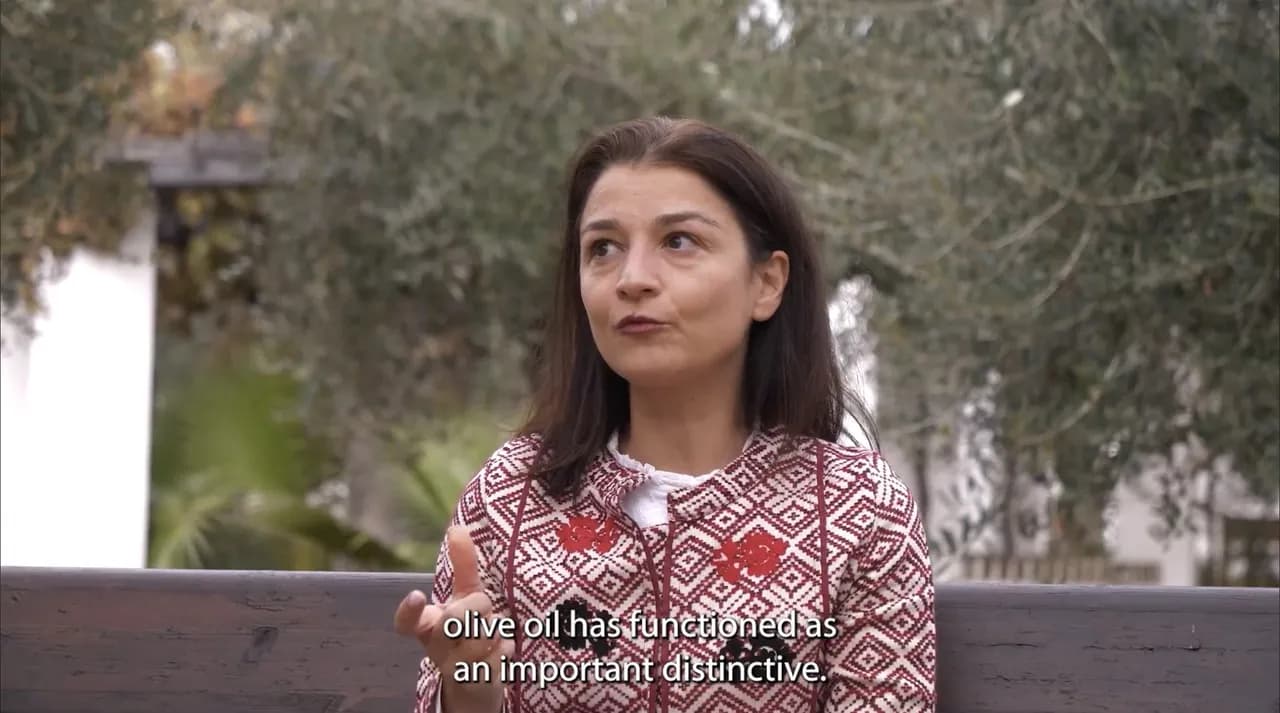
Discover the region's stories, traditions and testimonies through audiovisual works.
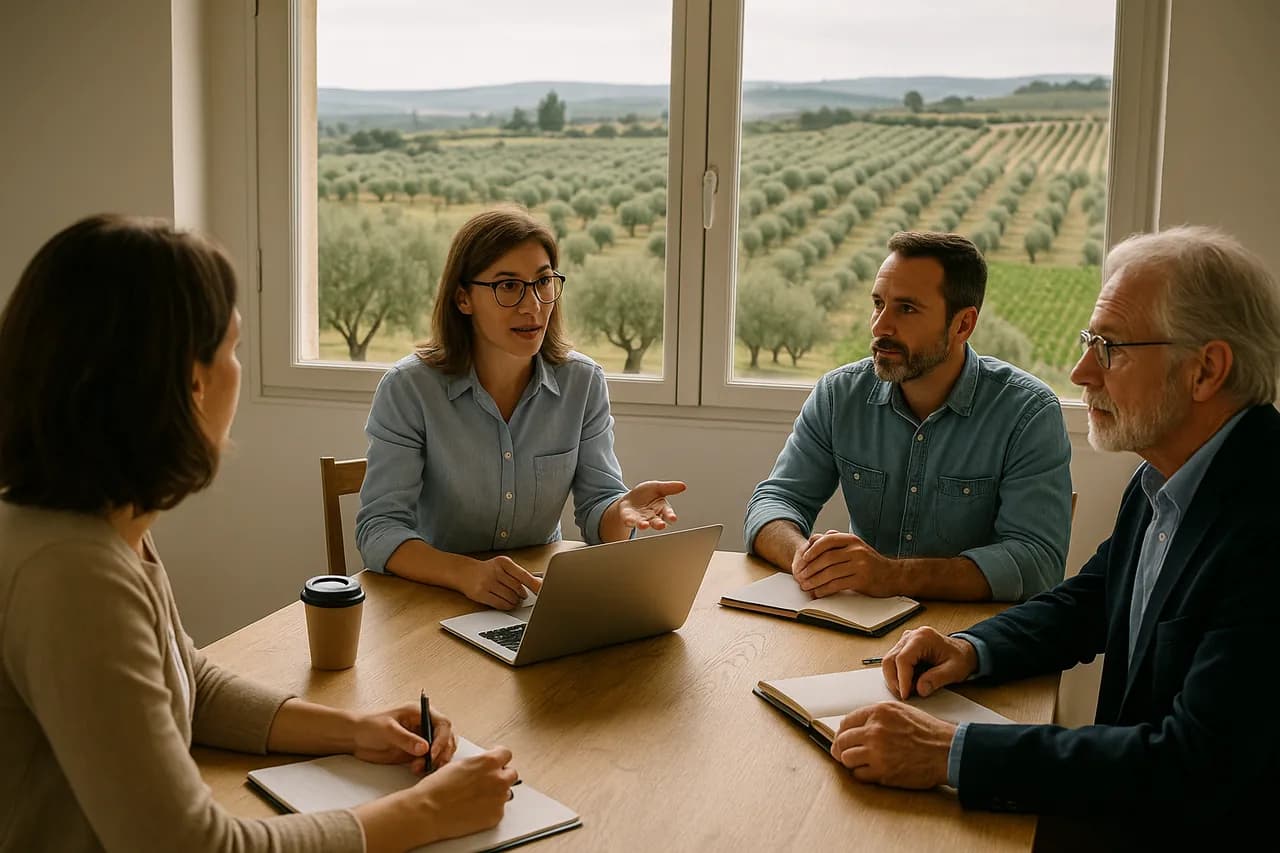
Share knowledge and perspectives on olive growing, olive oil and challenges facing local areas.
Take part in photography and drawing challenges that encourage creativity and collective involvement.
Create a symbolic connection with an olive grove, valuing growers, place and the continuity of traditions.
Discover local keepsakes and products in museums, mills and local shops.
Learn about agricultural cooperation and its contribution to the local economy and development.
Discover regional products and meet local producers and craftspeople directly.
Explore circular-economy solutions and new uses for olive grove and mill resources.
A journey from the land to discovery.
Add the first module from the library. The territory is your starting point.
Start by choosing what you are looking for.
Set the scenario, combine modules and watch the effect of each choice.
The indicators are meant for exploring and comparing scenarios; they are not a certification of sustainability, quality, authenticity or commercial viability.
Tap an indicator to see how it is calculated; under “Why did it change?”, compare decisions.
Attributes from 0–5 are turned into weighted averages. Synergies are added and explicit penalties applied. All results are limited to 0–100.
Balance = authenticity × 22% + local impact × 20% + sustainability × 18% + learning value × 20% + viability × 20% − logistics load × 15%.
Cost = base cost × (35% + 65% × duration / base duration). Commercial margins are not included. Each change of module reserves 10 minutes; these are not real distances or travel times.
Assumed harvest season: November–January in the North and October–December in the other mainland regions. In the Azores and Madeira the exercise does not assume an olive harvest, so grove, mill and harvest count only as interpretation. These windows serve the exercise only. The modules are generic and do not represent specific operators or people.
Link grove, mill, tasting and heritage to give the route meaning.
The Experience is the space of the Olive Tourism Living Lab where knowledge, territory and community come together. The next discovery starts with your choices.
Discover the Living Lab